
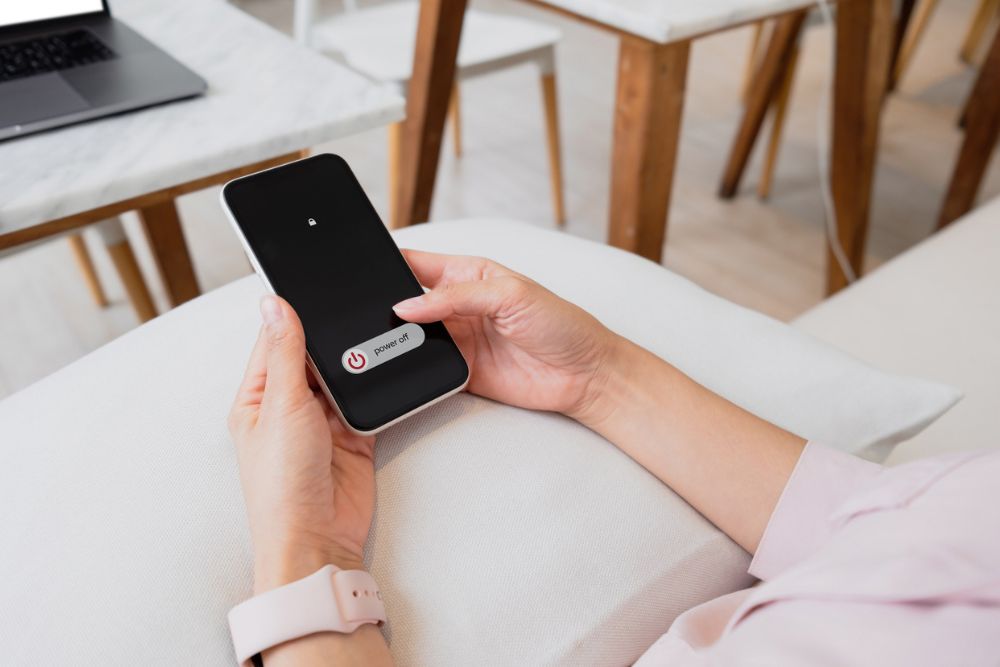
In this modern world, it’s easy for our days to become focused on screens. Between social media, keeping up with the news, the constant distracting ping of notifications on our phones, and jobs that require computer usage, it’s easy to lose connection to the world around us as we focus on the screens in front of us, and that’s not good for mental health. At Carolina Dunes Behavioral Health in Leland, North Carolina, we want to offer some tips for detoxing from screens.
The Toll of Excessive Screen Time
It may feel harmless to lose yourself for hours while you’re using screens, but research has shown that being too tethered to digital technology can lead to:
- Eye strain
- Headaches
- Neck, shoulder, and back pain
- Sleep disturbances and poor sleep quality
- Changes in mental functioning
- A more sedentary lifestyle
- Increased stress levels
- Decreased self-esteem
- Weight gain
- Difficulty with time management
- Increased symptoms of depression and anxiety, especially for adolescents
Signs That You Need a Digital Detox
How can you gauge if your screen-related habits are healthy or excessive, when everyone seems to have their eyes glued to their phones, computers, or televisions constantly? It’s not really all that different from assessing any habit you have. Ask yourself what impact you’re experiencing, such as:
- How much time are you really spending on screens each day? You might think you know, but have you ever actually tracked your time? Your phone apps may have built-in trackers, or you can document the time yourself.
- Do you sometimes lose track and spend more time than you planned while on social media or playing games?
- Do you feel sad, anxious, guilty, or frustrated after a prolonged amount of screen time? When does this usually happen?
- Is your sleep suffering due to your phone, computer, or television habits?
- Do you have trouble setting down your phone when it’s time for bed?
- Are you moving your body as much as you should be?
- Do you find it difficult to focus on your work because of notifications from your phone apps?
- Do you feel anxious when you disconnect?
- Do you feel the need to check your phone often, even when you’re spending time with another person?
- Do you compare your life against the lives of people you see on television or social media and feel jealous, sad, or inadequate?
- Are you lonely or isolated?
Taking a Break
Your digital detox might look different from another person’s. As you try to decide what your goals are related to your consumption of digital media, it might be helpful to think about what changes would make the most impact on your quality of life, based on the questions above. Digital Minimalism: Choosing a Focused Life in a Noisy World is a book you could read, if you want to learn more on the topic of reducing your use of screens. A few suggestions you might want to consider for reducing your time on screens include:
- Silencing phone notifications
- Putting your phone away while eating
- Turning off your phone when spending time with loved ones
- Setting a time when you will check social media, such as 20 minutes at lunch or after supper
- Setting a part of each day that is now screen-free, even if it’s just 30 minutes or an hour
- Requiring yourself to earn extra episodes of a TV show through physical activity
- Only checking email during business hours
- Turning off the news
- Removing televisions, computers, and phones from bedrooms
- Taking a break from social media
- Buying a lock box for your phone that allows you to set a timer for how long you want to restrict your access
- Switching to a Light Phone or an old-style flip phone, which does not have social media or game functions
- If you turn to screens out of boredom or loneliness, explore other ways to meet your needs, such as time with a friend or family member, reading or listening to an audiobook, going for a walk, working on a puzzle, journaling, engaging in a creative hobby like drawing or painting, volunteering, or spending time with a pet
At Carolina Dunes Behavioral Health, we recognize how difficult it is to disconnect from digital media. We also know that a break from screens can make a big difference in the quality of life we all experience.