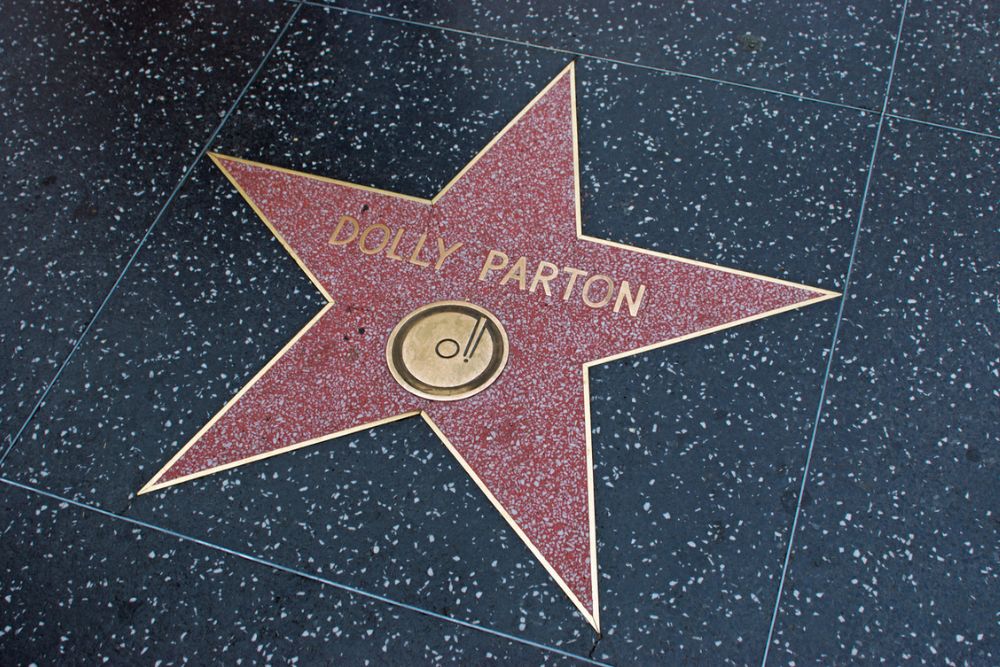
Dolly Parton passed away on August 25, 2026, at the age of 80. More than just a singer, Dolly was a prolific songwriter, a talented actress, and a generous philanthropist. She gave the world an excellent example of how to treat others and lessons we can use to maintain our mental health. At Carolina Dunes Behavioral Health, in Leland, North Carolina, we offer inpatient treatment for acute mental health and behavioral health needs.
7 Mental Health Lessons We Can Learn from Dolly Parton
Lesson 1: Don’t Be Ashamed.
Over the years, Dolly shared many of the struggles that she faced throughout her life. Among other things, she was open about growing up in poverty, experiencing depression after an endometriosis diagnosis left her unable to become pregnant, and the grief she experienced after she lost her husband of nearly 60 years. By talking about these somewhat taboo topics, Dolly gave her fans something they could relate to, and she made it more acceptable for other people to share their pain openly and ask for help.
Lesson 2: It’s Okay to Set Boundaries.
Despite being vulnerable with her fans, Dolly also lived a very private life when she was home with her husband, Carl Dean. She respected her husband’s preference to remain anonymous from the public. You can set boundaries too, with your time, your energy, and your recovery story.
Lesson 3: Helping Other People Will Help You Feel Better Too
Dolly once said, “I think it’s important for everyone to do their share to help their fellow man,” and she led by example. Dolly was constantly giving of herself. From her Imagination Library, which gave out around 300 million books in her lifetime, to her donation of $1M for the Moderna COVID-19 vaccine and her creation of scholarships to send her employees to college, Dolly was the epitome of generosity. You might not have Dolly’s financial resources, but if you find ways to give of yourself, it will benefit your mental health by giving you a sense of fulfillment and purpose.
Lesson 4: Don’t Take Yourself Too Seriously
Dolly often laughed at herself, and she loved to make jokes about her big blonde hair and flashy clothes. She also recognized that failure was just part of being human. “If I fail, it’s no big deal. If something don’t work out, I’m not afraid of failure…I’m earning some sort of experience of something I can use somewhere else.”
Lesson 5: Be Yourself
An avid supporter of LGBT+ people, Dolly made sure to add messages of acceptance to her songs, hosted “Gay Day” at Dollywood, and publicly defended LGBT+ rights. She also found it flattering when drag queens wanted to emulate her look and was known to have entered (and lost) a Dolly Parton look-alike contest. Dolly had love in her heart for everyone and wanted everybody to be able to live their own authentic life. “If you don’t like the road you’re walking, start paving another one,” she once said. She also pushed back against people who judged her appearance. “A lot of people have said I’d have probably done better in my career if I hadn’t looked so cheap and gaudy. I dress comfortable for me, and you shouldn’t be blamed because you want to look pretty.”
Lesson 6: Express Yourself
There were many different ways that Dolly chose to express herself. She played numerous instruments, wrote thousands of songs, recorded many albums, appeared in films, and developed an amusement park, among other endeavors. Whatever your interests are, creative expression can be a great coping skill, stress reliever, and way to enhance your sense of control over your life.
Lesson 7: Maintain Strong Connections to Your Loved Ones
Since her death, several of Dolly’s family members have shared memories of early morning phone calls, warm hugs and kindness. Despite having a career that involved a lot of travel and time away from her loved ones, she still found ways to stay connected with the people who mattered most to her. Having good relationships with people who care about us reduces:
- Depression
- Anxiety
- Self-harm
- Suicidal thoughts
- Cognitive decline
At Carolina Dunes Behavioral Health, we celebrate the uniqueness of each patient we serve. No two people who enter our facilities are the same, which is why we create individualized treatment plans that take into account the strengths and needs of each person we serve.