
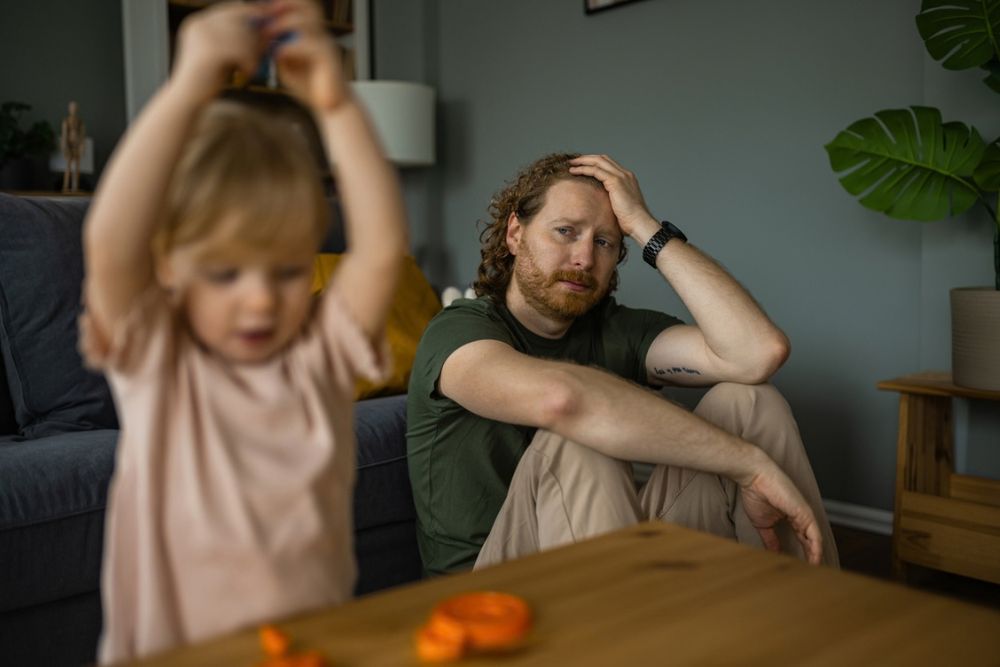
Parenting is challenging, even under the most ideal of circumstances. For parents who are also experiencing mental health symptoms, there are added challenges. At Carolina Dunes Behavioral Health, in Leland, North Carolina, we want to acknowledge the struggles parents face while managing a mental health disorder and offer some suggestions for navigating parenthood and mental illness. We also want to reinforce that parents with mental health struggles are capable of raising happy, well-adjusted children.
The Stigma of Parenting With a Mental Health Diagnosis
The negative beliefs our society holds about people with mental health conditions and how a person with a mental health disorder internalizes these negative messages can have an impact on the parenting experience of a person with a mental illness, for example:
- In the early 20th century, it was legal for people with mental illness to be coerced or forced into sterilization to prevent them from having children
- A person may feel unworthy to become a parent because they believe their diagnosis will make them a bad parent
- Our society expects mothers in particular to sacrifice themselves for their children, a practice that places mothers with mental illness at higher risk for deteriorating mental health
- Friends and family may reinforce these messages by discouraging the person from having children
- A parent may worry that their children will be removed by the child welfare system if they admit that they are struggling to manage their symptoms
Taking Control of Your Mental Health
A mental health disorder does not inherently make someone unfit to parent. The Adverse Childhood Experiences assessment tool identifies having a parent with mental illness as a potential trauma for children. If a parent is unaware of their mental health disorder or does not manage their symptoms well, there can be harm to their children. To ensure their children don’t experience negative outcomes as a result of their parent’s condition, it is important for parents to:
- Become knowledgeable about their mental health. A patient increases their ability to stay healthy by learning whatever they can about their condition and treatment options, so they can make informed decisions about their own care.
- Know what triggers their symptoms. Mental health professionals can teach a patient about common triggers, but it is also possible for a patient to have triggers that are unique to them.
- Adhere to their treatment plan. Therapy, medication, support groups, and self-care can become difficult to maintain when also balancing the needs of children, but they are critically important to ensure that a parent can function to their highest potential.
- Implement routines that promote consistency and mental well-being. Routines provide predictability and stability for the whole family, while reducing stress and streamlining the amount of decisions a parent must make.
- Model self-care for their children. Some mental health disorders have a genetic component, which can increase the likelihood of biological children of a parent with a condition also developing that disorder or a related one. Growing up with a parent who shows them how to prioritize sleep, exercise, nutrition, and other important self-care can give the child a leg up on managing their own mental health.
- Recognize signs that their mental health might be deteriorating. Even if a patient does everything right to maintain their mental health, there may still be times when they struggle. It is particularly important for a parent to develop awareness of the early indicators that they are struggling, which could include things like sleep disturbances, increased negative and/or intrusive thoughts, wanting to misuse alcohol or other drugs, emotional dysregulation, difficulty adhering to their treatment plan, or trouble balancing responsibilities.
- Build a strong support system. If a parent was not fortunate enough to be born into a family that supports them and their children, they may need to build a network of chosen family, other parents, and professionals who they can lean on in times of difficulty.
- Be willing to ask for help when they are struggling. Even if the supports are available and a parent recognizes their own need for support, they must also be willing to admit that they need help and accept it.
- Talk to their children about mental health. Having age-appropriate conversations with children about mental health gives them the vocabulary to discuss their own mental health and reduce their perception of the stigma around asking for help, should they ever need it. It can also prevent potentially harmful misunderstandings that can result from a parent trying to hide their mental illness from their children.
At Carolina Dunes Behavioral Health, we believe that our patients can be amazing parents to their children when given the right support and treatment for their mental health conditions. We value the opportunity to give parents the tools they need to keep their families healthy.